
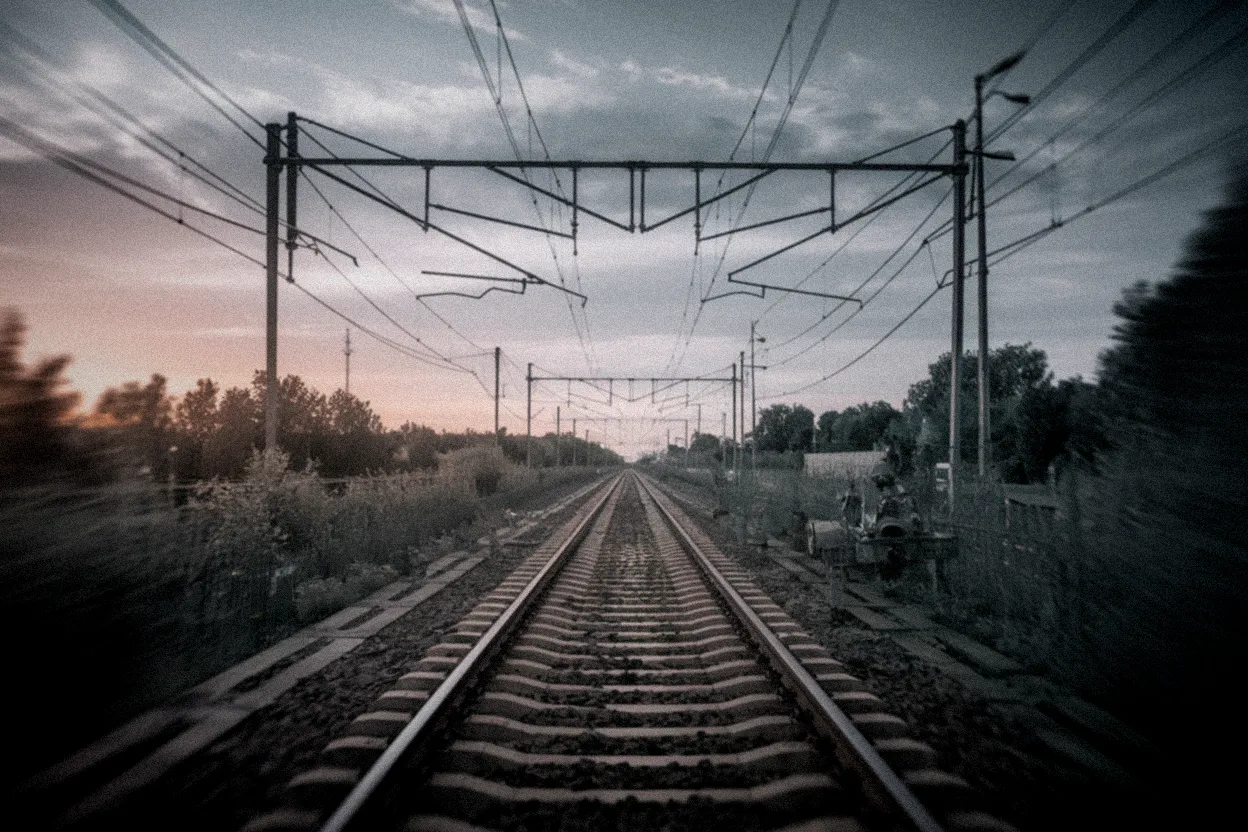
High temperatures strained overhead electric power lines on the rail network in France’s Hauts-de-France region on Wednesday, June 26, 2026, triggering major disruptions to train service.
The heat damaged multiple sections of catenary—overhead wires that supply trains with electricity—after the metal expanded in the high temperatures. In some places, the lines can snap or deform enough to make a route unusable.
The impact was immediate: trains stopped in place, connections were missed, and travelers were left stranded at stations.
A familiar heat problem with repeat consequences
The vulnerability of catenary lines during hot weather is well known. Aging equipment on some regional routes does not handle temperature spikes well, and Hauts-de-France—crisscrossed by a dense network of everyday commuter lines—regularly pays the price during heat-wave conditions.
The disruptions on June 26, 2026, fit a pattern that regular TER riders (France’s regional train service) have come to recognize.
When damage occurs, network managers must move quickly to repair or replace affected sections. Those emergency operations can take several hours, effectively freezing entire corridors until work is completed.
Rail infrastructure’s climate resilience back in the spotlight
The incident revives a question the rail sector can no longer sidestep: how to adapt infrastructure to more extreme weather. Current catenary systems were designed for temperature ranges that may no longer match the conditions now being observed.
Options exist, including pre-tensioning the wires or using alloys that better resist thermal expansion. But rolling those fixes out at scale would require significant investment and time.
For riders in Hauts-de-France, June 26, 2026, largely meant waiting—and uncertainty—on station platforms.

