
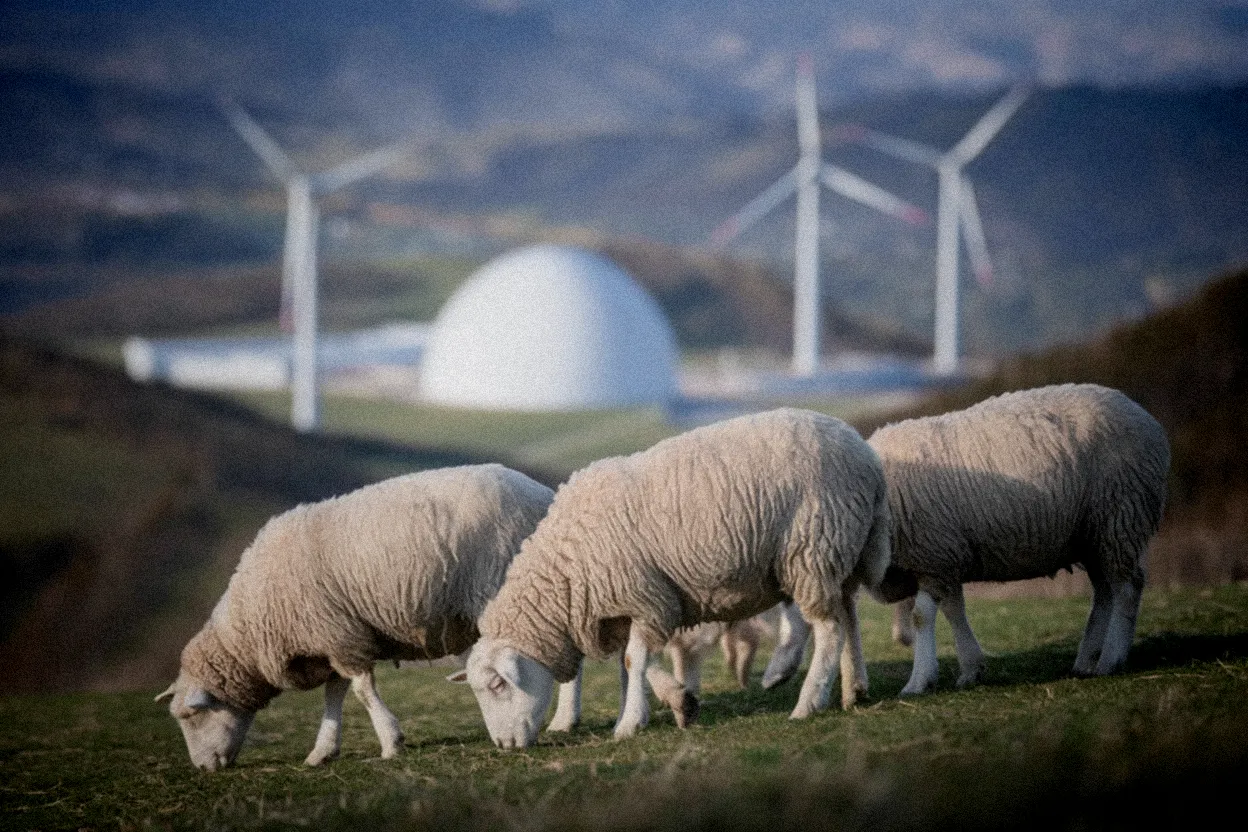
Moumoute started as a university project and has since become a small French company making acoustic panels out of sheep’s wool—an unusual leap from classroom idea to commercial product.
“It’s a student project that became a business,” the founders of Moumoute say. Their path hasn’t been defined by splashy fundraising rounds or a dramatic tech pivot, but by sticking with a simple conviction: wool can work as a serious sound-absorbing material.
Sheep’s wool, reimagined as an acoustic building material
Moumoute designs and sells acoustic panels made from sheep’s wool. The pitch is straightforward: use the fiber’s natural sound-absorbing properties in a market that typically relies on synthetic foams or petrochemical-based materials.
The company argues wool brings built-in advantages—it’s renewable, biodegradable, and can be sourced through short supply chains within France.
A growing market for quieter offices and denser housing
Demand for building acoustics is structurally strong, driven by open-plan offices, meeting rooms, and multifamily housing. As cities densify and work patterns evolve, the need for sound insulation continues to rise.
Moumoute is positioning itself with an environmental case that’s embedded in the product itself, rather than added later through marketing.
From campus concept to a real company
Turning an academic project into a business is rarely straightforward. It requires industrializing a process, securing reliable suppliers, winning early customers, and managing cash flow until orders become steady.
Moumoute’s founders say they moved through those steps one by one while keeping the original idea intact: start with a local material and solve a concrete problem.
Why Moumoute is betting on French wool


A deliberate bet on local sourcing
Buying sheep’s wool means working directly with French livestock farming. Moumoute’s short-supply-chain choice isn’t just a branding line, the company argues—it shapes costs and product traceability.
In construction and interior fit-outs, professional buyers expect consistency and volume. That’s where the real test lies for a young company: moving from a convincing prototype to reliable industrial delivery.
Building rules and labels are nudging the market toward bio-based materials
Thermal and acoustic building regulations are gradually pushing the sector to incorporate bio-based materials. Environmental labels and certifications are multiplying, and public and private project owners are increasingly sensitive to them—sometimes because of regulatory requirements.
Moumoute is arriving as demand grows while the supply of sheep’s-wool products treated for acoustic use remains limited.
Competing with cheaper synthetics—and closing the gap
The main competition comes from established synthetic materials that are cheaper to produce but increasingly viewed less favorably by customers focused on the carbon footprint of buildings.
Price differences remain a real barrier, the article notes, but the gap can narrow as volumes rise and petrochemical costs fluctuate.
The next phase: proving it can scale without losing what makes it different
Moumoute has already shown a student project can become a viable company. The next question is whether it can grow without sacrificing its defining features.
Scaling production while maintaining local wool sourcing, consistent acoustic performance, and healthy finances will be the central test of what comes next. The founders have cleared the most unlikely hurdle; now it’s about execution.
Moumoute: key takeaways on the acoustic startup
- Moumoute makes acoustic panels from sheep’s wool, a natural and renewable material.
- The company grew out of a student project that was turned into a commercial operation after graduation.
- It is targeting the market for bio-based materials used in building sound insulation.

