
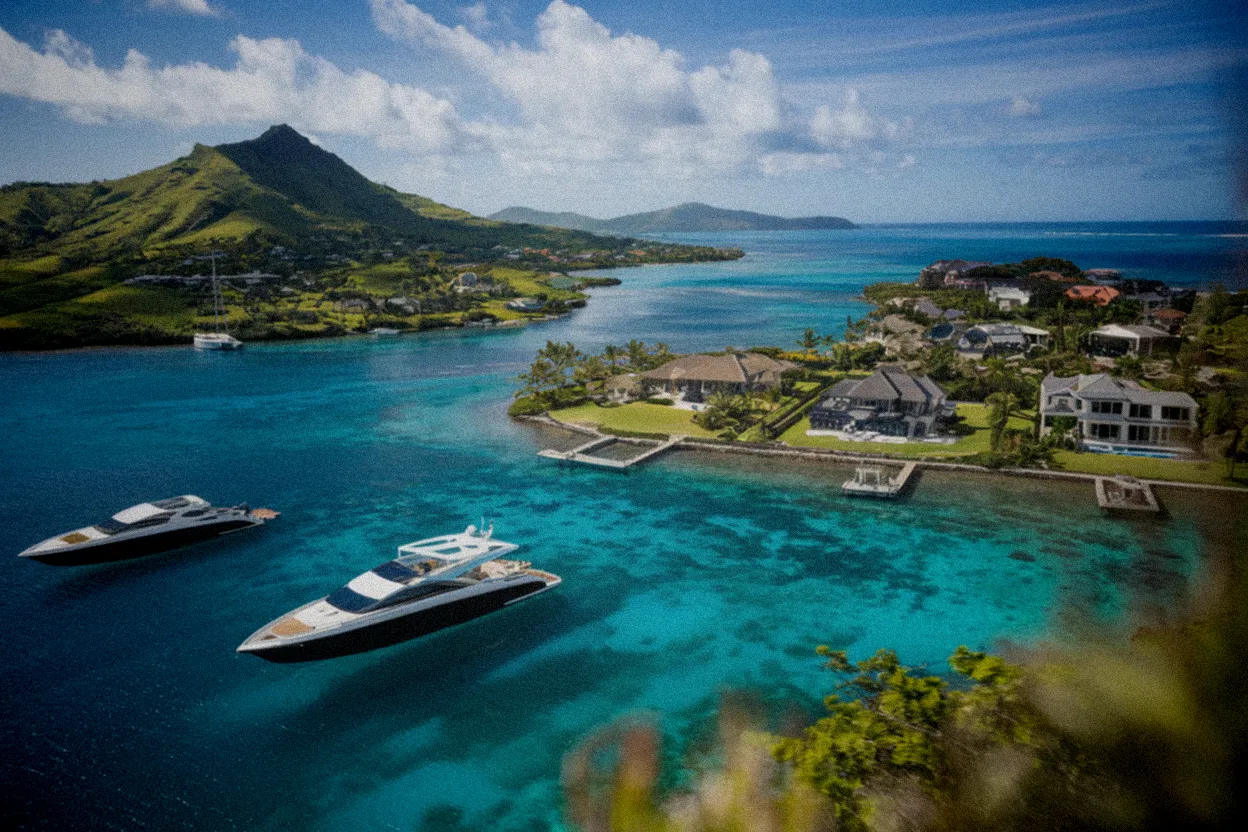
Saint-Barthélemy—better known to many Americans as St. Barts—posts a per-capita GDP of €90,000 (about $97,000), a level that puts the tiny Caribbean territory in a class by itself among France’s overseas possessions.
The gap is stark compared with France’s overseas departments and regions—Martinique, Guadeloupe, Réunion and French Guiana—whose per-capita GDP figures sit far below that mark, according to the article.
But the headline number comes with a major caveat: St. Barts’ economic model and small population can mechanically inflate the per-capita ratio, without necessarily reflecting the living standards of all residents.
St. Barts at €90,000 per person: an outlier in France’s overseas map
The figure is eye-catching: Saint-Barthélemy reaches €90,000 in GDP per capita (about $97,000), placing the island well ahead of other French overseas territories.
The article attributes that performance to a distinctive setup—lighter taxation, luxury tourism as the dominant engine, no value-added tax (VAT), and a small population. Together, those factors can push the GDP-per-person metric higher, even if the benefits are not evenly felt.
France’s overseas territories aren’t one economy—and St. Barts plays by different rules
The comparison is a reminder that France’s “Outre-mer” (its overseas territories) is not a single, uniform economic bloc. The overseas departments and regions (known in France as DROM) face constrained economies marked by structurally high unemployment, reliance on public transfers, and a cost of living higher than in mainland France.
Saint-Barthélemy, by contrast, has been a “collectivité à statut particulier” since 2007—an institutional status that separated it administratively from Guadeloupe and gives it a different framework.
The island does not benefit from the same national solidarity mechanisms as the DROM, the article says—but it also does not seek them. Its fiscal autonomy and specialization in serving wealthy visitors give it a trajectory that is largely disconnected from the development challenges that dominate debate in other territories.
Pourquoi l'Outre-mer français reste si hétérogène


Why €90,000 can mislead: GDP per capita doesn’t show who gets the wealth
GDP per capita is an average, and the article stresses it should be handled carefully. In St. Barts, the concentration of wealth tied to luxury services and high-end real estate can create statistical distortions.
What the number captures, above all, is the value added generated on the island—driven by high-ticket activities such as yachting, premium hotels, and luxury retail.
Measured against the day-to-day reality for part of the local population—especially seasonal workers or less affluent residents—the distance from that aggregate figure can be substantial. The wealth produced on the island is not distributed evenly among those who live there year-round.
Still, the indicator places Saint-Barthélemy at the level of some of Europe’s most prosperous regions, far above French overseas averages, and illustrates how a territory’s institutional status can shape its economic path.
PIB Saint-Barthélemy : les chiffres clés à retenir
- Saint-Barthélemy affiche 90 000 euros de PIB par habitant, un record dans l'Outre-mer français.
- L'île est une collectivité territoriale à statut particulier depuis 2007, avec une fiscalité propre et sans TVA.
- Son économie repose sur le tourisme de luxe, le yachting et l'immobilier haut de gamme.
- Les DROM comme la Guadeloupe ou La Réunion affichent des PIB par habitant bien inférieurs à celui de Saint-Barthélemy.
- Le PIB par habitant est une moyenne qui masque les inégalités internes au territoire.

