
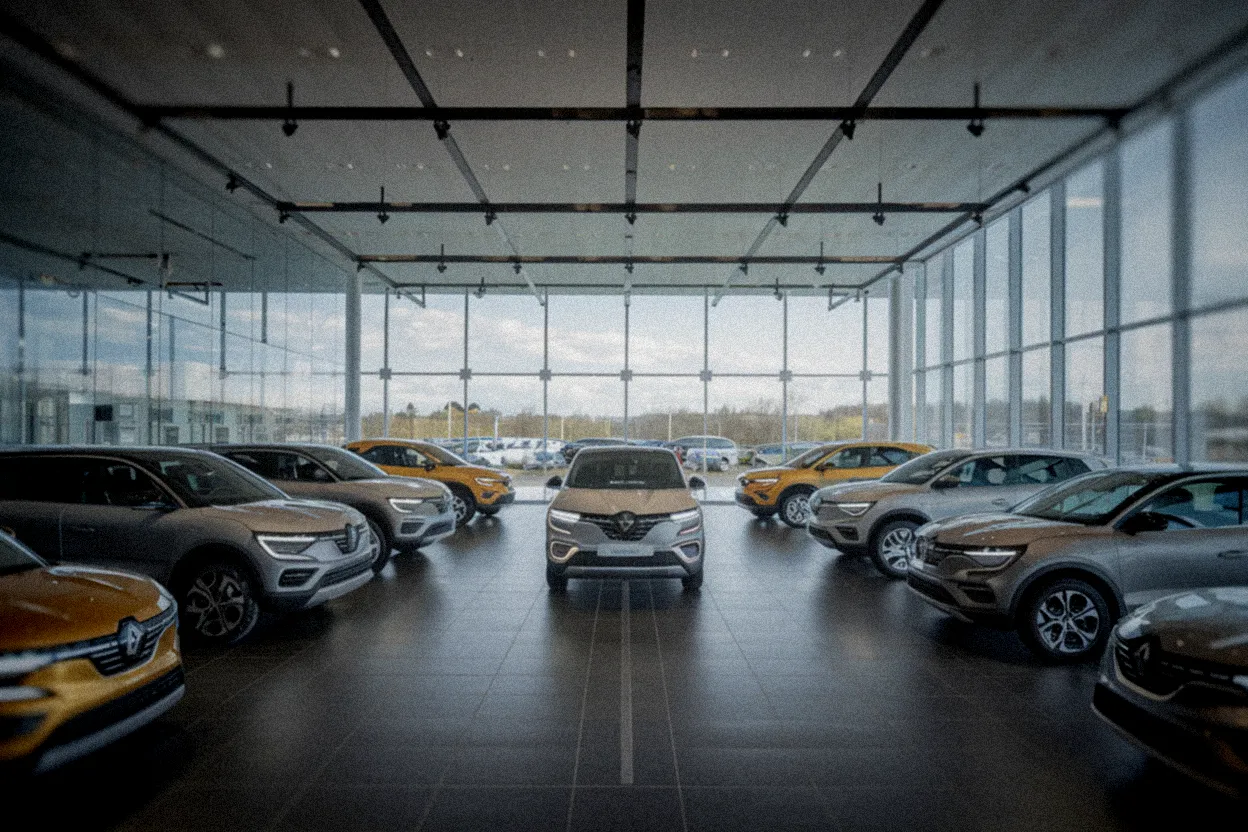
Renault and Dacia’s retail footprint in France is becoming more concentrated in the hands of a small number of large dealership groups, according to a ranking published by the French auto outlet L’Argus.
However, the original source page for the ranking could not be retrieved because it displayed only a cookie-management screen and no editorial content. As a result, the underlying data—group names, number of dealerships, and sales volumes—are not available for publication here.
Why the ranking matters for Renault and Dacia in France
France’s auto retail sector is in a consolidation phase. Large dealership groups are buying up independent stores, shrinking the number of operators while expanding the geographic reach of the biggest players.
For Renault—whose dealer network is described as one of the densest in Europe—how that network is divided among operators directly affects its ability to move vehicles, including electric models such as the R5 E-Tech and the Renault 4 E-Tech.
Dacia follows the same logic. The Renault Group’s budget brand is seeing strong demand for models including the Duster and Spring, and network density influences delivery times.
The full top-10 list is published by L’Argus
L’Argus published the details of the 10 leading groups, including their number of retail locations and their relative weight within the Renault-Dacia network, on its website: L’Argus.
Because the source page could not be accessed in its editorial version, the exact figures cannot be reproduced here without risking errors.
Consolidation is reshaping auto retail beyond Renault
The concentration trend is not unique to Renault. Stellantis, Toyota, and Volkswagen face similar dynamics in France: regional dealership groups absorb family-run retailers, drawn by economies of scale and by automakers’ rising demands for digital investment and EV-charging infrastructure.
The L’Argus ranking is intended to show, dealership by dealership, which groups truly control the commercial ground in France.

