
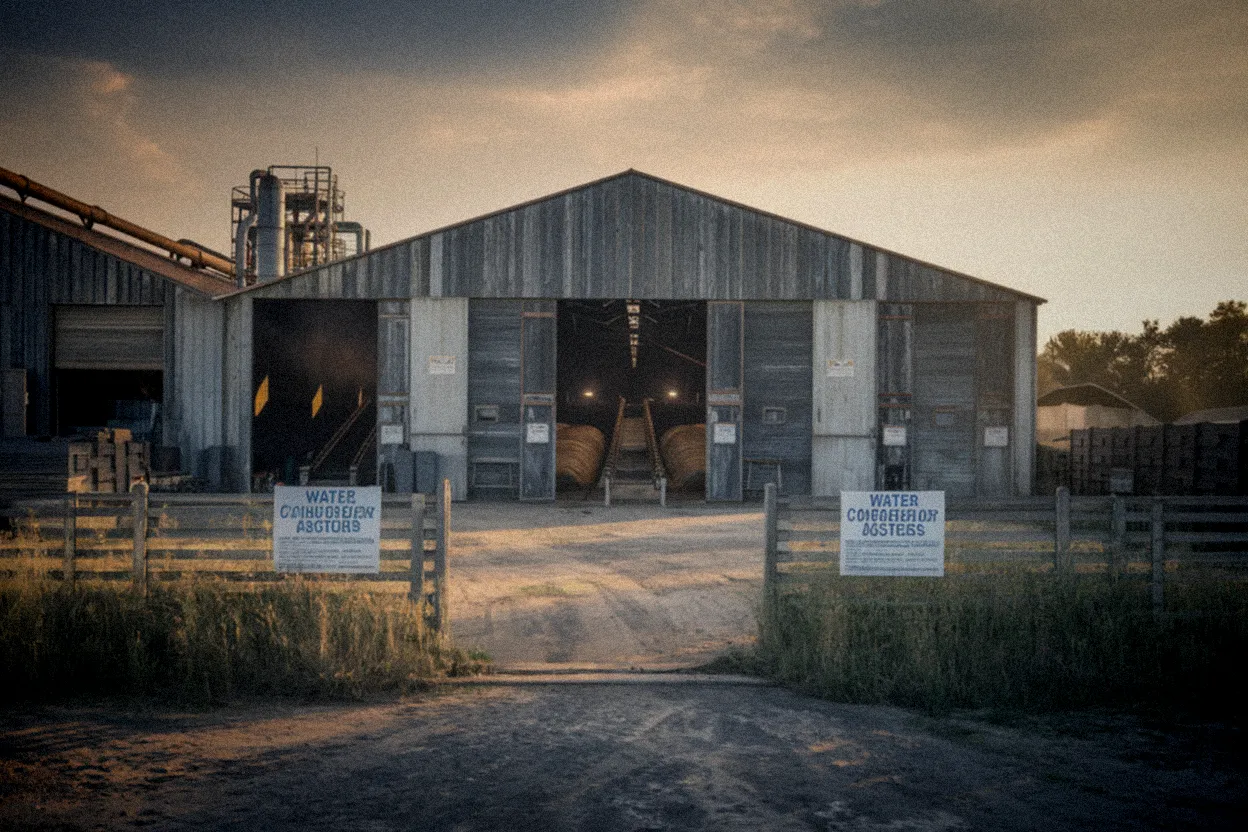
A potato chip factory in Brittany, in northwest France, has suspended production during a heat wave to help protect local access to drinking water.
The move, reported June 27, 2026, highlights a growing summer pressure point in the region: Brittany’s food-processing industry is a major water user, and during extreme heat it can end up competing directly with residents’ basic needs.
As groundwater levels drop and rivers run low, the decisions increasingly aren’t made in corporate conference rooms. They’re imposed by the local arm of the French state—through orders issued by the prefect, the central government’s top representative in each department.
A shutdown driven by water availability
Making potato chips is water-intensive, requiring large volumes for washing potatoes, cooking, and cleaning production lines. During drought conditions and high temperatures, that demand can quickly become unsustainable for managers of local drinking-water systems.
The Brittany plant therefore paused production—whether as a preventive step or under constraint—so that available water could be reserved first for the public. A decade ago, such tradeoffs were still relatively rare. The article says they are now repeating with each prolonged heat wave, including in Brittany, where water supplies can be less abundant than many assume.
Food processing faces a structural constraint
Brittany concentrates a significant share of France’s food-processing industry, including slaughterhouses, canneries, dairies, and other transformation plants—operations that depend heavily on water. Repeated heat waves raise a deeper question about the long-term viability of some industrial sites in areas facing rising water stress.
Prefectures have regulatory tools to impose restrictions on industrial users during crises. Orders limiting water use are classified into four levels of severity and can go as far as a total suspension of non-priority withdrawals. In all cases, drinking water remains the top priority.
For manufacturers, the challenge is shifting toward anticipating these episodes rather than absorbing them: recycling water in closed-loop systems, building storage, and revising industrial processes. The article notes those are major investments that not every small or midsize company in the sector can easily afford.

