
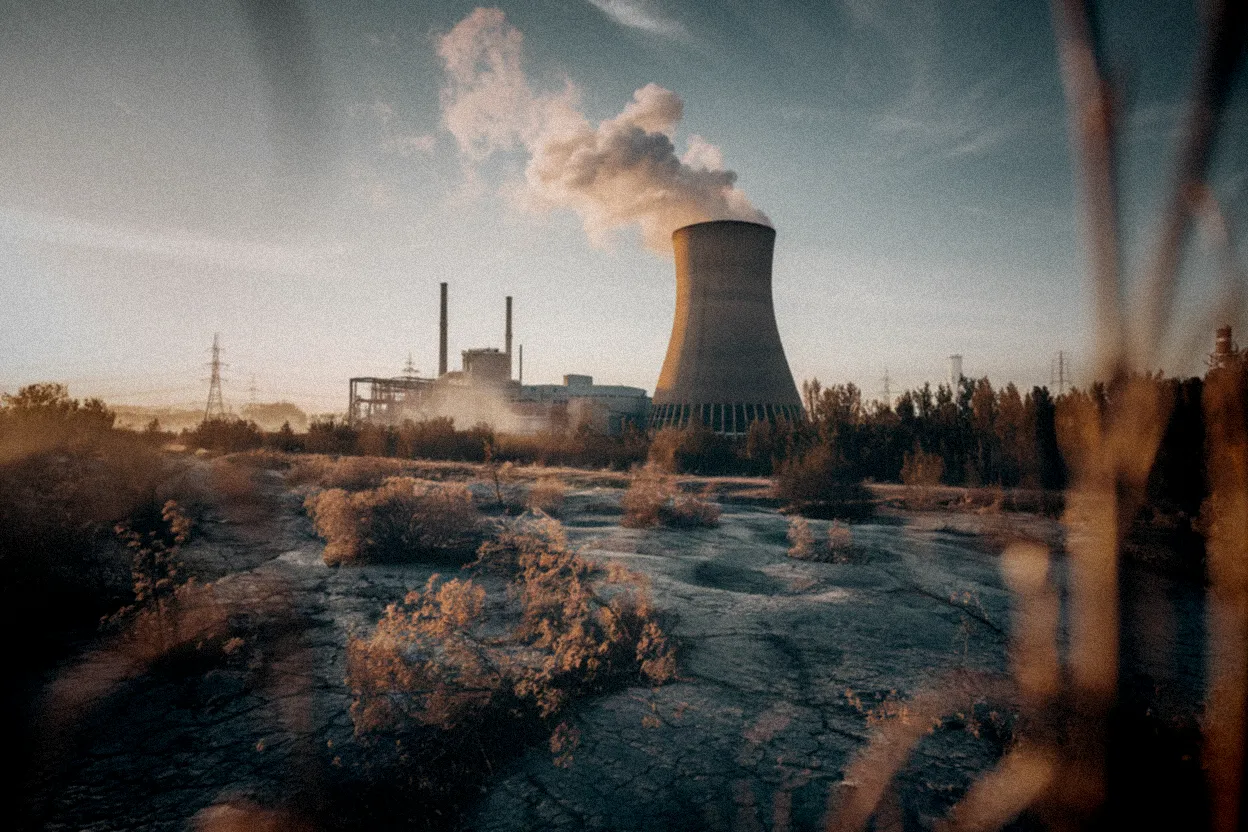
France’s state-backed utility EDF is studying whether it may need to dial back electricity production at some nuclear reactors this summer because of high temperatures recorded across the country.
The issue isn’t a technical failure inside the plants. It’s a basic physical constraint: many reactors rely on nearby rivers to cool their systems, and when river water gets too warm, EDF must adjust operations to avoid overheating the waterways.
Environmental rules can force reactors to run at lower power
The process is governed by strict requirements set by environmental authorities. Each nuclear site has its own temperature thresholds, tailored to the river it draws from.
If the temperature of discharged water is at risk of exceeding those limits, EDF must either reduce a reactor’s output or temporarily shut it down. The stated goal is to protect aquatic ecosystems.
Similar situations have occurred during especially hot summers in recent years, highlighting how France’s nuclear fleet can be affected by weather conditions regardless of the reactors’ technical condition.
Potential ripple effects for France’s power supply
The prospect of reduced nuclear generation is drawing added attention because France can see strong summer electricity demand, driven by air conditioning and industrial use. Any cut to baseload output can push RTE—France’s power grid operator—to lean more on peaking energy sources or on cross-border electricity links with neighboring countries.
EDF has not said how many reactors could be affected or how large any reductions might be. The outlook will depend in the coming weeks on how temperatures and river flows evolve.

