
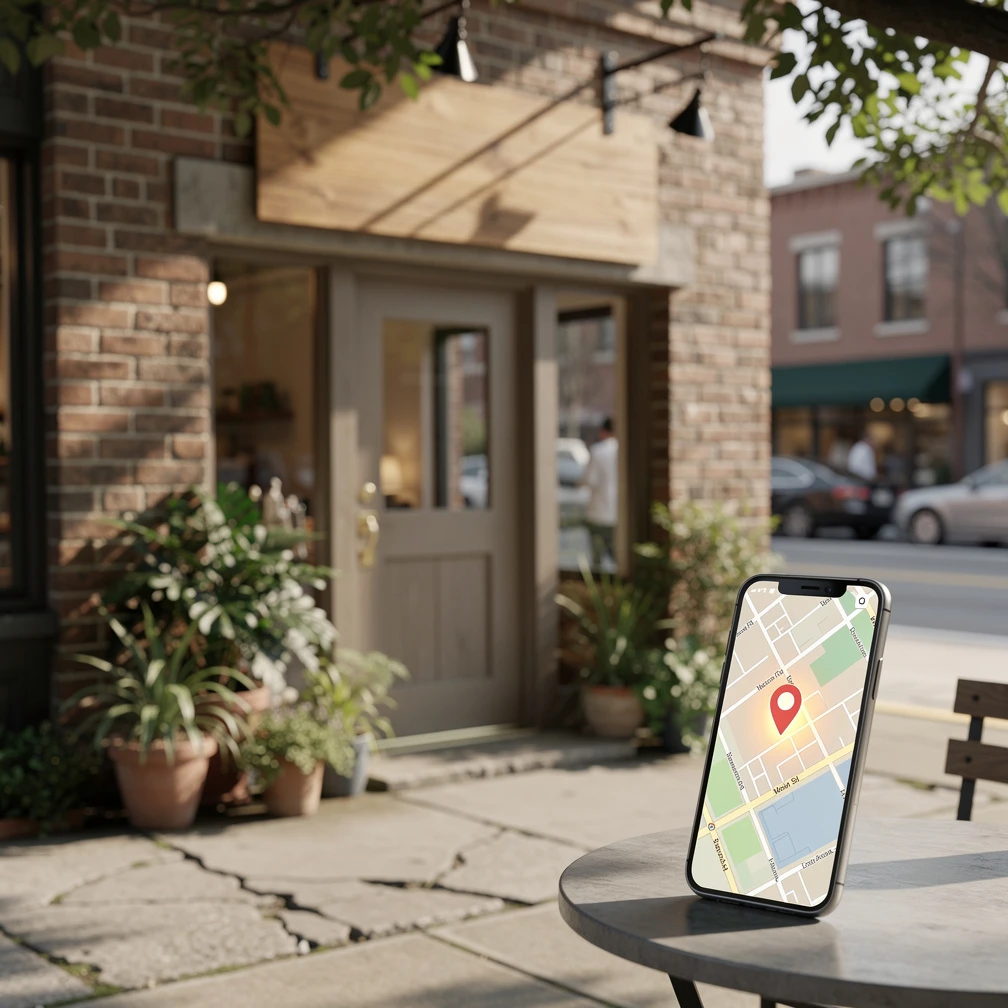
For small businesses, the most brutal competition isn’t national, it’s the shop down the block. And the battlefield isn’t your storefront window. It’s Google Search and, increasingly, Google Maps.
Local SEO, getting your business to show up when nearby customers search “best plumber,” “coffee near me,” or “web designer in town”, has shifted from a nice-to-have to a make-or-break growth strategy. The businesses that treat Google Maps like a digital phone book listing are getting buried. The ones that build a real local strategy are turning searches into calls, appointments, and foot traffic.
A web agency in eastern France, working out of Besançon and Vesoul (mid-size cities near the Swiss border), is betting its business on that reality: local visibility that translates into real customers, not vanity metrics. Their pitch is simple, stop chasing generic rankings and start owning your territory.
Google Maps isn’t a pin, it’s a competition for the top three spots
When people search locally, Google often serves up a “map pack”, a short list of businesses above the regular results. Landing there can mean the difference between a steady stream of leads and radio silence.
Winning that placement takes more than sprinkling a city name onto a webpage. It starts with a serious build-out of your Google Business Profile (the product many people still call Google My Business): accurate categories, services, photos, updates, and consistent contact info across the web.
But the real edge comes from understanding how people actually search in specific neighborhoods, what they type, when they search, and what they’re trying to do. The agency says it studies local map behavior down to micro-areas, then builds targeted pages designed to convert those searches into real-world visits.
Core moves include:
- Fully optimizing your Google Business Profile
- Identifying high-intent zones on the map
- Keeping local business info updated everywhere it appears
- Tracking performance by geography, not just overall traffic
- Dedicated pages by city, neighborhood, or service area
- Copy tailored to local voice searches
- Local testimonials and case studies that build trust fast
- Measure local traffic and lead quality
- Adjust pages for seasonal demand
- Collect and respond to customer reviews consistently
- Publish fresh, locally relevant content year-round
Forget generic keywords, local long-tail searches bring customers who are ready to buy
The article’s message is blunt: broad keywords are a trap. “Web agency” or “video production” is too vague and too competitive. What converts are specific, local searches, think “website designer in [your city]” or “commercial video near [neighborhood].”
Instead of stuffing keywords into pages, the approach here is to test which phrases actually drive calls, quote requests, bookings, or walk-ins. Then build content around those terms, separate service pages by city or area, backed by real customer reviews and proof that the business is genuinely local.
The goal is to make every page feel like it was built for the community it serves, right down to the visuals and the way people navigate the site, including voice-search-friendly phrasing that matches how customers speak into their phones.
Tactics highlighted include:
Video, design, and site performance can boost local rankings, and conversions
Showing up on Google Maps is only half the job. Once customers click, they decide quickly whether you look legitimate, or like a business they should skip.
The agency argues that strong local SEO increasingly depends on what happens after the click: a recognizable brand, credible visuals, and content that signals you’re active and established. Video plays a big role here, short interviews, on-site footage, service explainers, content that keeps people engaged and gives Google more signals that your business is relevant.
Design matters, too. A consistent visual identity, logo, colors, team photos, can lift click-through rates and help customers remember you when they’re comparing options in a crowded map list.
And none of it works if the site is slow or clunky on mobile. Technical upgrades, faster load times, mobile-first layouts, structured data, help both rankings and user experience, especially for customers searching on the go.
Local SEO isn’t “set it and forget it”, it’s constant measurement and adjustment
The article takes aim at the idea that you can publish a few pages, collect a couple reviews, and coast. Google changes. Competitors react. Customer behavior shifts with seasons and local events.
Staying visible requires ongoing work: monitoring local traffic, tracking conversions, watching movement in the Google Maps pack, updating pages as demand changes, and actively managing reviews. The agency describes frequent audits and continuous tweaks designed to keep clients ahead of nearby rivals fighting for the same customers.
What that ongoing playbook looks like:
Why this matters for American small businesses
The takeaway translates cleanly to Main Street USA: local SEO is no longer a marketing side project. It’s a daily fight for visibility in the exact moment customers are ready to spend money.
Businesses that treat Google Maps like a static listing will keep losing ground to competitors who invest in better pages, better reviews, better content, and faster sites. The winners won’t be the ones with the loudest promises, they’ll be the ones who do the unglamorous work, week after week, to stay the obvious choice in their own backyard.
| Levier | Bénéfice sur le SEO local |
|---|---|
| Vidéo géolocalisée | Améliore la notoriété sur Google Maps, augmente le temps passé sur le site |
| Charte graphique dédiée | Renforce la reconnaissance locale, booste le taux de clic |
| Refonte technique | Favorise l’affichage optimisé sur mobile et améliore le score SEO Google |
| Élément | Bénéfice SEO local |
|---|---|
| Charte graphique | Renforce la mémorisation par les clients de la zone |
| Vidéo | Humanise l’offre et améliore l’engagement |
| Site bien conçu | Facilite le parcours utilisateur et favorise la prise de contact |


