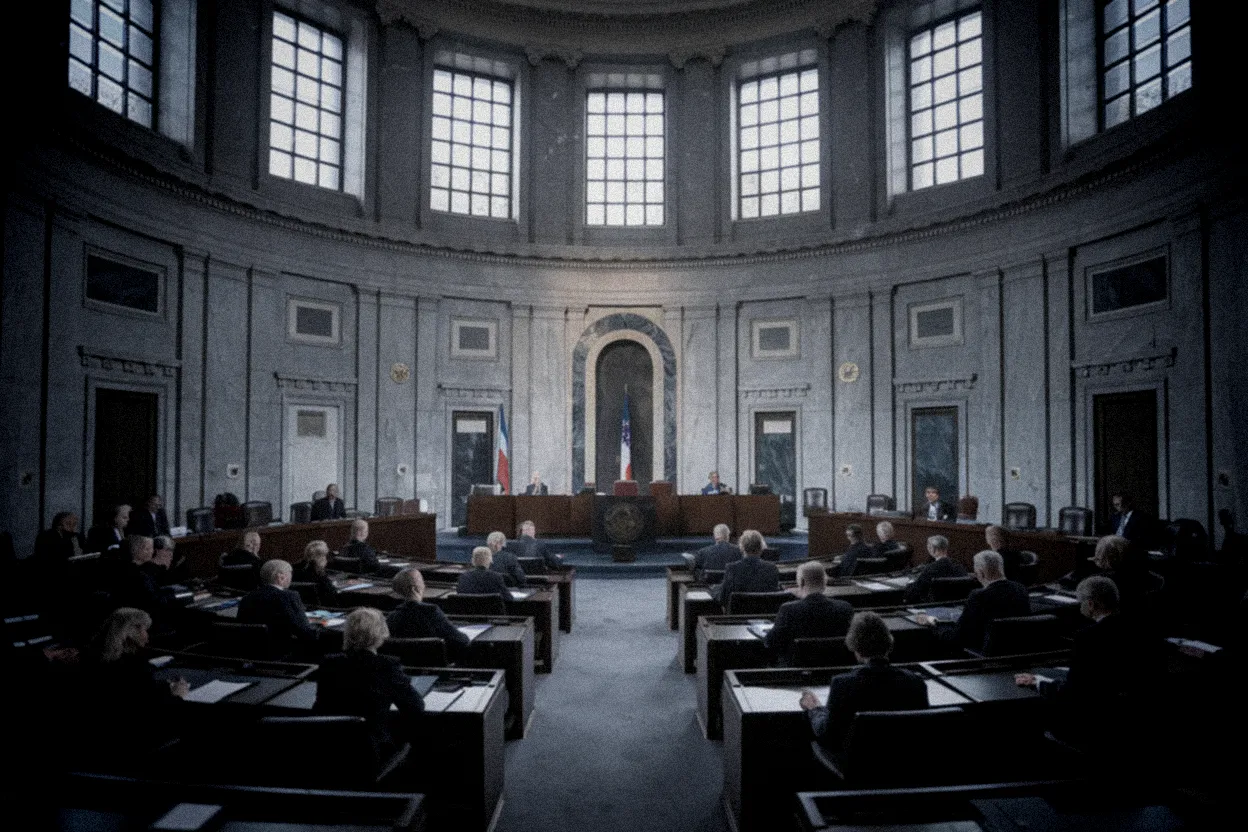
France’s Senate has voted to increase military funding as part of an update to the country’s multi-year military planning law, a key framework that sets defense spending targets and priorities.
The vote confirms a push to lift the defense budget above the French government’s current plan, but the detailed figures tied to the Senate’s decision were not available in the materials reviewed at this stage. The Senate’s action moves the legislation forward without the full content of the deliberation being accessible.
Senators back a higher defense spending trajectory
The Senate voted on raising defense spending through an update to France’s “loi de programmation militaire,” often referred to as the LPM. In the weeks leading up to the vote, the upper chamber sought to amend the government’s financial trajectory to bring military outlays to a higher level than the executive branch had proposed.
The June 25, 2026, vote formalizes that parliamentary effort. It comes after months of heightened pressure around defense funding in France.
Under the government’s plan, France would reach €76.3 billion in defense spending by 2030—about $82.4 billion—equivalent to 2.5% of GDP. The Senate’s Foreign Affairs and Defense committee argued that was insufficient and called instead for €83.9 billion—about $90.6 billion—by 2030, or 2.7% of GDP, aligning with commitments made to NATO.
Germany’s spending plans loom in the background
The Senate vote also lands amid unfavorable comparisons with Berlin. Germany plans to devote €108.2 billion—about $116.9 billion—to defense in 2026, including €82.7 billion (about $89.3 billion) in the regular Defense Ministry budget and €25.5 billion (about $27.5 billion) from the Bundeswehr’s special fund.
France’s top military officer, Gen. Fabien Mandon, warned the Senate’s Finance committee about the widening gap. “Falling behind is possible,” he said, adding that if Germany maintained its investment pace, “in five years, the argument that we benefit from operational experience and a certain culture will no longer hold.”
What happens next: parliamentary back-and-forth and government decisions
The Senate vote is only one step. The bill must now go through France’s parliamentary “shuttle” process—back-and-forth between the two chambers—before it can be finalized and promulgated.
The government still controls the final trade-offs, and the gap between the Senate’s position and the executive’s original trajectory remains substantial. Whether France can fund additional weapons programs mentioned in Senate amendments—including frigates and Rafale F4 fighter jets—will depend on those upcoming decisions.